
Rodent Control in St. Augustine, FL
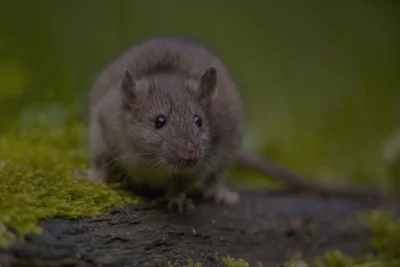
If you’re hearing scratching in your attic at night or finding droppings behind the refrigerator, there’s a good chance you have a rodent problem — and in St. Augustine, that almost always means roof rats. This area’s coastal environment, mature tree canopy, and warm year-round climate make it one of the most rodent-active regions in Northeast Florida.
At Prodigy Pest Solutions, rodent control is our specialty. We don’t just set traps and leave. We perform a full inspection of your home, identify and seal every entry point, and follow up until the problem is completely resolved. If you’ve dealt with a pest company that treated the symptom but not the source, you’ll notice the difference immediately.
Call (904) 689-7868 or request a free quote at prodigypest.com/get-quote/ to schedule your inspection.
Signs You Have a Rodent Problem
Rodents are secretive by nature. By the time most homeowners realize they have a problem, the infestation has already grown. Here’s what to watch for:
Sounds in the Attic or Walls
Scratching, scurrying, or gnawing sounds — especially at night — are one of the earliest and most reliable signs of a rodent infestation. Roof rats are nocturnal and highly active after dark. If you hear movement above the ceiling or inside the walls between dusk and dawn, don’t dismiss it.
Droppings
Rat droppings are dark, spindle-shaped, and roughly the size of a raisin. They’re most commonly found along baseboards, in kitchen cabinets, behind appliances, and in attic insulation. Fresh droppings are soft and dark; older ones are dry and brittle. Either way, droppings confirm active rodent activity.
Gnaw Marks
Rodents gnaw constantly — their teeth never stop growing, so chewing is a biological necessity. Look for gnaw marks on baseboards, door frames, food packaging, and wiring. Chewed electrical wires are a serious fire hazard and one of the costliest consequences of an untreated rodent problem.
Grease Marks and Runways
Rodents follow the same paths repeatedly, leaving dark, greasy smear marks along walls, pipes, and beams from the oils in their fur. These rub marks become more pronounced over time and often reveal the routes rodents travel through your home.
Nesting Materials
Shredded insulation, paper, fabric, or plant material gathered into a compact pile indicates an active nest. Roof rats typically nest in attic insulation, inside wall voids, or in dense vegetation near the roofline.
Our Rodent Control Process
Our process is built around one principle: find the source, seal the source, and eliminate what’s inside. Here’s how we handle every rodent job in St. Augustine:
Step 1: Full Home Inspection
A licensed Prodigy technician performs a comprehensive inspection of your home — the roof, soffits, fascia, eaves, foundation perimeter, and attic. We’re looking for every gap, crack, and opening larger than a quarter of an inch. Roof rats can squeeze through a hole the size of a nickel. Most homeowners are surprised by how many potential entry points exist on a well-maintained home.
Step 2: Photo Documentation and Quote
Every entry point we identify gets photographed. You’ll receive a complete report with photos of what we found, where we found it, and what needs to be done. This isn’t just for your peace of mind — it creates accountability and lets you see exactly what you’re paying for before you commit to anything.
Step 3: Sealing All Entry Points
Once you approve the quote, we seal every documented entry point using professional-grade materials — hardware cloth, copper mesh, steel flashing, and foam. Unlike a spray treatment, exclusion work eliminates the way rodents are getting in, which means they can’t come back the same way.
Step 4: Interior Trapping
If there’s an active infestation at the time of exclusion, some rodents may have been sealed inside. We set interior traps in the attic and other key areas to catch any remaining rodents. This step is essential — sealed entry points without interior trapping can lead to rodents dying inside walls.
Step 5: Follow-Up and Monitoring
We schedule a follow-up visit to check traps, remove any catches, and confirm the infestation has been fully resolved. Most jobs are wrapped up within about a week from the initial inspection. We don’t consider the job done until you’re rodent-free.
Rodents Common to St. Augustine Homes
Roof Rats
Roof rats (Rattus rattus) are the dominant rodent species in coastal Northeast Florida and the most common culprit in St. Augustine attic infestations. They’re sleek, dark-colored, and excellent climbers — reaching your roofline via tree branches, utility lines, and downspouts. According to the University of Florida IFAS Extension, roof rats are found throughout Florida and are especially prevalent in coastal communities where food sources and harborage are abundant. They breed rapidly, with females producing up to five litters per year.
Norway Rats
Norway rats are larger, heavier-bodied rodents that tend to burrow rather than climb. While less common than roof rats in the St. Augustine area, they’re found near water sources, storm drains, and properties adjacent to wooded or marshy land. Norway rats typically enter structures through ground-level gaps in the foundation or crawl spaces.
House Mice
House mice are smaller than rats but can cause significant damage to insulation, food stores, and wiring. They’re prolific breeders — a single pair can produce dozens of offspring in a matter of months. Mice require even smaller entry points than rats, which makes thorough exclusion work especially important.
Why Prodigy’s Approach Works
Most rodent problems come back after basic trapping because the entry points were never addressed. Traps remove the rodents already inside, but do nothing to stop the next wave from moving in. The CDC recommends sealing all gaps and cracks on the exterior of a home as the primary method of preventing rodent entry — which is exactly what our process is built around. Combined with interior trapping and professional-grade sealants that hold up over time, our approach resolves the problem rather than just managing it.
Health Risks of Rodent Infestations
Rodents aren’t just a nuisance — they’re a health hazard. Roof rats and Norway rats are known to carry and transmit diseases including leptospirosis and rat-bite fever through contact with their droppings, urine, and saliva. Their presence in attic insulation can contaminate the air supply throughout your home. Rodents also introduce fleas, ticks, and mites into the home, which can trigger secondary pest problems.
Beyond health concerns, rodent damage is expensive. Chewed wiring creates fire risk, damaged insulation reduces energy efficiency, and structural gnawing can compromise wood framing over time. The sooner a rodent problem is addressed, the lower the total cost.
Serving St. Johns County and Surrounding Areas
Our rodent control service covers all of St. Augustine and the greater St. Johns County area, including:
- St. Augustine & St. Augustine Beach
- Ponte Vedra & Palm Valley
- World Golf Village
- Vilano Beach
- Fruit Cove & Nocatee
- Hastings & Elkton
- Flagler Beach
Frequently Asked Questions
How do I know if I have roof rats or mice?
Size is the main difference. Roof rat droppings are approximately 12–13mm long, tapered at both ends, and banana-shaped. Mouse droppings are much smaller — about 3–6mm — with pointed ends. Roof rats also tend to leave gnaw marks and rub marks along elevated surfaces, while mice stay lower and closer to food sources.
Can’t I just set traps myself?
You can, but trapping without sealing the entry points is an endless cycle. New rodents will move in as fast as you trap the existing ones. Professional exclusion work is what breaks the cycle permanently.
Will rodents die inside my walls if you seal the entry points?
This is a legitimate concern, and it’s why interior trapping is always part of our process when there’s an active infestation. We never seal a home and leave without addressing the population inside.
How long does rodent exclusion take?
The initial inspection takes one to two hours depending on the size of the home. Exclusion work is typically completed in a half to full day. Including the follow-up visit, most jobs are fully resolved within about a week.
Do you use poison bait?
We use traps rather than rodenticide bait inside the home. Rodenticide bait can cause rodents to die in inaccessible wall voids, creating odor problems that are difficult and expensive to remediate. We only use rodenticide around the exterior of the homes we service.
How much does rodent control cost in St. Augustine?
Cost varies based on the size of your home and the number of entry points requiring exclusion. We provide a detailed, itemized quote before any work begins — no surprises. Request your free quote here.
Stop the Problem at the Source
If you’re dealing with rodents in your St. Augustine home, don’t wait for it to get worse. Prodigy Pest Solutions will inspect your home, show you exactly what we find, and give you a clear plan to get rid of them for good. We also offer general pest control services if you’re dealing with other pest issues alongside your rodent problem.
Call (904) 689-7868 or request a free quote online to get started.
→ Get a Free Quote: prodigypest.com/get-quote/ | Call: (904) 689-7868