Mole Pest Control in Florida
Professional Mole Removal
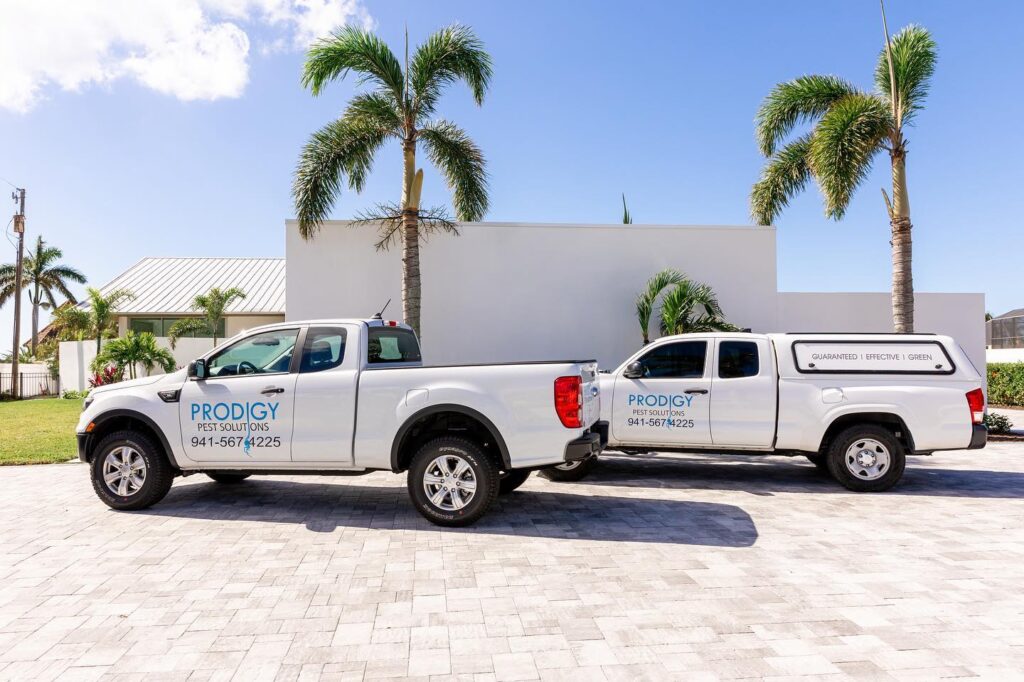
If you’ve noticed raised ridges cutting across your lawn or small mounds of dirt showing up overnight, there’s a good chance you have a mole problem. At Prodigy Pest Solutions, mole pest control is one of our specialties. We’ve helped hundreds of homeowners across Southwest Florida get rid of moles for good through a targeted, proven mole treatment process that actually works.
What Are Moles and Why Are They in Your Yard?
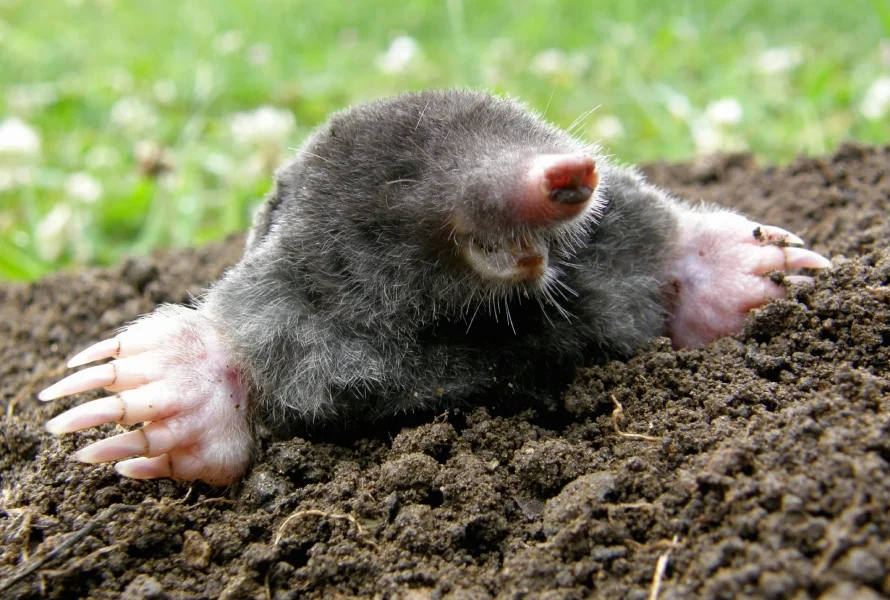
Moles are small, burrowing mammals — typically 5 to 7 inches long — that spend nearly their entire lives underground. They’re insectivores, meaning their diet depends on the food sources living beneath your lawn: earthworms, grubs, and beetle larvae. Moles aren’t in your yard for your plants or birdseed — they’re there because your soil is full of the food they love.

Types of Moles & When They’re Most Active
There are several types of moles found across the U.S., but the Eastern Mole is the species Southwest Florida homeowners almost always encounter. Eastern moles live underground year-round and are highly active in our warm climate. Across most of the country, early spring is when mole infestations surge as soil warms and food sources rise closer to the surface — making it the most important time to act.
How Much Damage Can One Mole Do?
A single mole can excavate up to 100 feet of tunnels per day. When moles dig, they create two types of tunnels: shallow surface runs for feeding and deeper travel tunnels for nesting and movement. One mole working unchecked for a few weeks can create a surprisingly large network of damage beneath your grass.

Signs You Need a Mole Exterminator
- Raised, winding ridges pushing up through your lawn surface
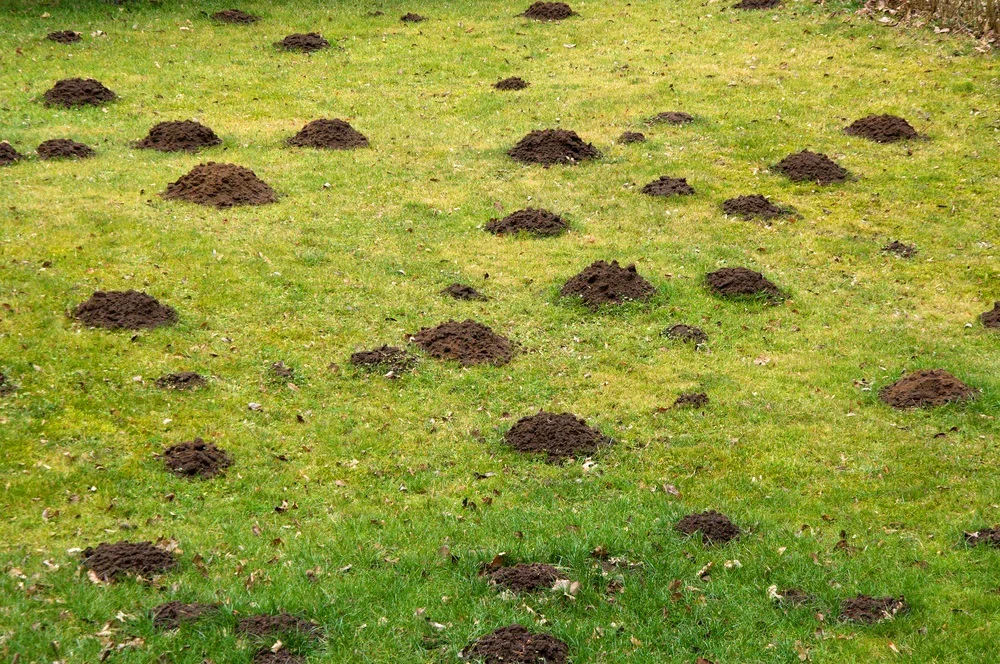
- Small volcano-shaped mole mounds of loose soil
- Dead or yellowing grass strips following tunnel paths
- Soft, spongy spots underfoot where tunnels have spread
- New tunnel activity appearing after rain, when food sources rise to the surface
Why DIY Mole Removal Usually Falls Short
Most homeowners try at least one DIY method before calling a professional — whether it’s a mole trap, repellent granules, or folk remedies like placing chewing gum in tunnels. A mole trap can work, but only when placed correctly in a confirmed active tunnel, which takes experience to identify. As for chewing gum, there’s no evidence it does anything to kill moles — moles are mole-eating machines focused entirely on live food sources, and they have no interest in processed bait.
Repellents and vibrating stakes may shift mole activity temporarily, but they don’t eliminate the food sources that attract moles in the first place. Persistent mole infestations almost always require a professional solution.
How to Prevent Moles from Returning
- Grub control treatments reduce one of the primary food sources moles rely on
- Avoid overwatering — saturated soil draws earthworms to the surface, which brings moles with them
- Act early in the season — catching mole activity in early spring prevents small problems from becoming large infestations
Our Mole Pest Control Process
Step 1: Active Tunnel Identification
Our technician walks your entire property and identifies all active mole tunnels. Treating inactive tunnels wastes time — this step ensures every part of the treatment counts.
Step 2: Bait Worm Treatment
We place specially formulated bait worms directly into the active tunnels. These bait worms mimic the earthworms that make up a mole’s primary food source, so moles encounter the bait naturally as they forage. It’s precise, targeted, and minimizes product use around your home and family.
Step 3: Two-Week Follow-Up
About two weeks after the initial treatment, we return to reassess your property, treat any remaining activity, and confirm the mole problem is fully resolved. This follow-up is included in every job — not an add-on.
Mole Control FAQs
How long does mole removal take?
Most mole problems are fully resolved within the two-visit treatment window. Larger properties with extensive tunnel networks may occasionally need additional treatment.
Is the bait worm treatment safe for my family and pets?
Yes — the bait is placed underground inside the tunnels, not broadcast across your lawn surface.
Will moles come back after treatment?
Our two-visit program is designed to eliminate active moles on your property. Moles from neighboring areas can move in over time, especially if food sources remain favorable. If activity returns, give us a call — we stand behind our work.
What’s the difference between mole control and mole removal?
Mole removal means eliminating the moles currently active on your property. Mole control refers to the broader process of treating and managing activity over time. We address both — and also offer monthly service plans for ongoing protection.
Can moles cause structural damage?
Moles don’t typically damage foundations, but their tunneling can undermine lawn areas, garden beds, and landscaping — leading to uneven ground, damaged roots, and costly repairs. Early treatment is always the most cost-effective approach.
Serving Southwest Florida
Prodigy Pest Solutions provides mole control and mole removal throughout Manatee, Sarasota, and Hillsborough Counties, including Lakewood Ranch, Sarasota, Bradenton, Venice, Osprey, Nokomis, North Port, Englewood, Ruskin, Parrish, Palmetto, Ellenton, Sun City Center, Apollo Beach, and surrounding communities.
Contact Prodigy Pest Solutions Today
Moles are a solvable problem — but the longer you wait, the more extensive the damage becomes. Contact us today to schedule your mole inspection. We’ll walk your property, identify every active tunnel, and take it from there.