
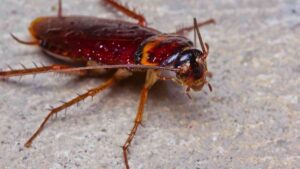
A palmetto bug is a large cockroach — specifically the American cockroach (Periplaneta americana) — that thrives in Florida’s warm, humid climate. Despite the gentler nickname, palmetto bugs are the same pest you find under sinks, in garages, and scurrying across bathroom floors at night. They grow up to 2 inches long, can fly short distances, and carry bacteria that contaminate food and surfaces.
If you’ve spotted one in your Florida home, you’re not alone. Palmetto bugs are one of the most common pest calls across Sarasota, Bradenton, Venice, Parrish, and Boca Raton. Here’s everything you need to know about identifying them, why they invade, and how to get rid of them.
Seeing palmetto bugs in your home? Get a same-day inspection from Prodigy Pest Solutions. Schedule now →
What Does a Palmetto Bug Look Like?
Palmetto bugs are easy to identify once you know what to look for:
- Size: 1.5 to 2.1 inches long — one of the largest cockroaches in the United States
- Color: Reddish-brown with a yellowish figure-eight or halo marking on the head shield (pronotum)
- Wings: Both males and females have wings and can fly short distances, especially when startled or attracted to light
- Body: Oval and flat, allowing them to squeeze through cracks as thin as 1/16 of an inch
- Antennae: Long, hair-like, roughly equal in length to the body
Palmetto bug nymphs look like smaller, wingless versions of adults and are dark brown. You may also find their egg cases (oothecae) near harborage areas — dark reddish-brown capsules about 3/8 inch long, each containing up to 16 eggs.
Palmetto Bug vs. Cockroach: Is There a Difference?
No. Palmetto bug is simply a regional nickname used in Florida and the Southeast for the American cockroach. The two terms refer to the exact same insect. Some Floridians also use “palmetto bug” for the Florida woods cockroach (Eurycotis floridana), which is slower, flightless, and produces a strong musty odor.
The practical takeaway: if someone tells you they have palmetto bugs, they have cockroaches. The identification, health risks, and treatment are the same.
Why Are Palmetto Bugs So Common in Florida?
Florida’s climate is near-perfect for palmetto bugs year-round. Three factors drive their prevalence:
- Humidity: They need moisture to survive and are drawn to damp areas — bathrooms, kitchens, garages, and crawl spaces
- Heat: Unlike northern states where winter kills populations, Florida’s warmth lets palmetto bugs breed every month of the year
- Vegetation and mulch: Palmettos, flower beds, leaf litter, and woodpiles provide outdoor harborage right next to your foundation — and a constant source of new invaders
Even a clean, well-maintained home can get palmetto bugs. They come inside for moisture and shelter, not just food. A dry spell or overnight temperature drop will push outdoor colonies indoors in large numbers.
Signs You Have a Palmetto Bug Problem
A single sighting doesn’t always mean an infestation — but palmetto bugs are rarely alone. Look for these signs:
- Droppings: Small dark cylinders with ridged sides, found near food, under sinks, behind appliances, or in cabinets
- Egg cases (oothecae): Dark reddish-brown capsules tucked into cracks near warmth and moisture
- Musty odor: A large infestation produces a distinct, oily smell from pheromones and droppings
- Shed skins: Nymphs shed their exoskeleton multiple times as they mature — finding casings in corners is a clear warning sign
- Daytime sightings: Palmetto bugs are nocturnal; seeing one during the day often means harborage areas are overcrowded
Are Palmetto Bugs Dangerous?
Palmetto bugs rarely bite people and are not venomous, but they do carry real health risks:
- Bacterial contamination: They pick up Salmonella, E. coli, and other pathogens in sewers and garbage, then transfer them to countertops, dishes, and food
- Allergens and asthma: Cockroach droppings, shed skins, and saliva are a documented trigger for asthma attacks and allergic reactions, especially in children
- Disease: Heavy infestations have been linked to gastroenteritis, dysentery, and other illnesses through food and surface contamination
The health risk is higher in homes with young children, elderly residents, or anyone with asthma or respiratory conditions.
How to Get Rid of Palmetto Bugs
1. Eliminate moisture sources
Palmetto bugs cannot survive long without water. Fix dripping faucets and leaking pipes, ensure bathroom exhaust fans work correctly, and address any standing water near the foundation. Dehumidifiers in garages, laundry rooms, and crawl spaces reduce the humidity that attracts them.
2. Seal entry points
Inspect the exterior for gaps around pipe penetrations, weep holes in brick veneer, gaps at the base of doors, and cracks in the foundation slab. Caulk and door sweeps are inexpensive fixes that eliminate the main entry routes. Pay special attention to garage doors, which often have large gaps at the corners.
3. Reduce outdoor harborage
Keep mulch at least 6 inches away from the foundation. Move woodpiles away from the house. Remove leaf litter and trim vegetation back from exterior walls. These changes eliminate the outdoor colonies that feed indoor invasions every time it rains or the temperature drops.
4. Use the right treatments
Over-the-counter sprays kill palmetto bugs on contact but do nothing about the colony or the entry points. Professional treatment uses residual perimeter applications, crack-and-crevice treatments, and bait gels that target the problem at the source. The products licensed professionals use are also more effective and longer-lasting than anything available at a hardware store.
Still seeing them after DIY treatments? A professional inspection finds what products miss. Book a free inspection →
Professional Palmetto Bug Control with Prodigy Pest Solutions
DIY methods can reduce palmetto bug activity, but they rarely solve the problem. These insects are highly resilient — they can survive for weeks without food, withstand many common pesticide formulations, and squeeze through openings smaller than a dime.
At Prodigy Pest Solutions, our palmetto bug treatment includes:
- Thorough interior and exterior inspection to locate harborage areas, entry points, and moisture sources
- Residual perimeter treatment that builds a lasting barrier around your foundation
- Crack-and-crevice applications targeting where palmetto bugs hide and breed
- Exclusion recommendations — we show you exactly where they’re getting in
- Free re-treatment between scheduled visits if activity continues
We serve homeowners and businesses throughout Sarasota, Bradenton, Venice, Parrish, Lakewood Ranch, Boca Raton, and the surrounding communities. For properties with recurring palmetto bug problems, a quarterly maintenance plan delivers the most consistent long-term protection.
Palmetto Bug Control Across Southwest Florida
Find pest control near you: Sarasota · Bradenton · Venice · Parrish · Lakewood Ranch · Boca Raton
Frequently Asked Questions About Palmetto Bugs
| Do palmetto bugs fly? | Yes. Both males and females have wings and can fly, particularly when startled or when temperatures are high. Florida’s heat means they fly more often here than in other states. |
| Where do palmetto bugs come from? | They typically enter through gaps under doors, around pipes, via weep holes in brick, and through drains. Outdoor populations live in mulch, leaf piles, trees, and damp soil near your foundation. |
| Are palmetto bugs and cockroaches the same? | Yes. Palmetto bug is a regional nickname for the American cockroach (Periplaneta americana). They are biologically identical. Some Floridians also use the term for the Florida woods cockroach. |
| Does one palmetto bug mean an infestation? | Not necessarily, but they are rarely alone. Seeing one during the day is a stronger warning sign since they are nocturnal. Finding droppings or egg cases confirms an active population nearby. |
| How long do palmetto bugs live? | American cockroaches live 1 to 2 years. Females produce up to 150 offspring per year, so a small problem grows quickly without treatment. |
| What kills palmetto bugs instantly? | Direct contact with a residual spray kills them on contact. However, this does not address the colony or prevent re-entry. Professional treatment is the most effective way to eliminate palmetto bugs and keep them out. |
Ready to get rid of palmetto bugs for good? Prodigy Pest Solutions serves Sarasota, Bradenton, Venice, Parrish, and surrounding areas. Schedule your free inspection →