
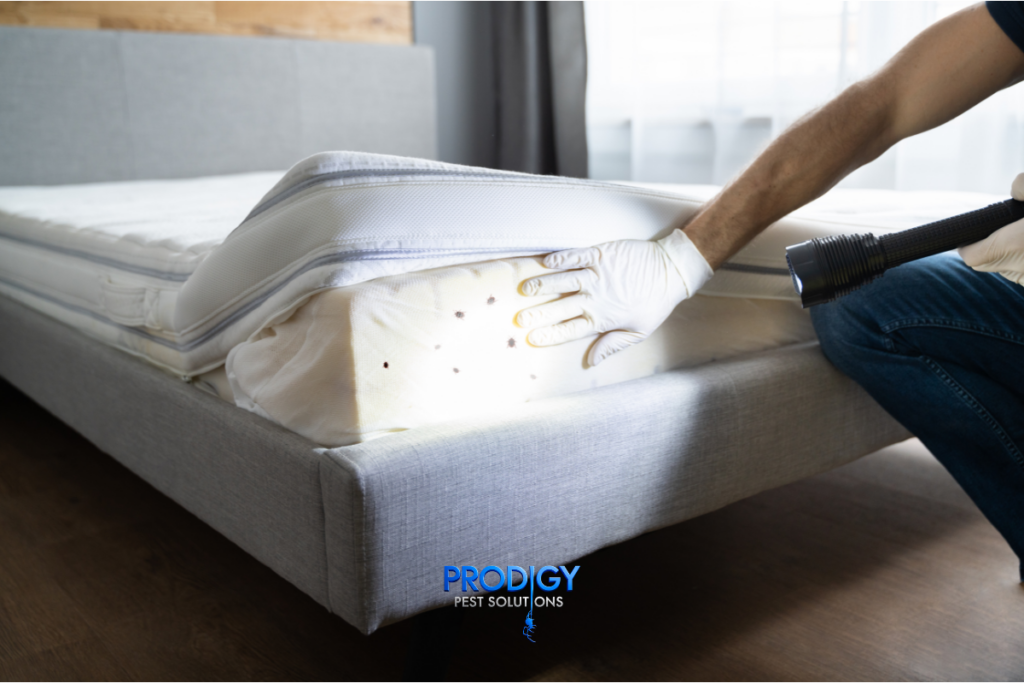
Bed bug control for hotels is one of the highest-stakes pest management challenges in Florida’s hospitality industry. With year-round tourism, high guest turnover, and a constant flow of luggage moving through lobbies and hallways, hotels, resorts, and vacation rental properties face ongoing risk of introduction — and a single bad review can turn a small issue into a lasting reputation problem. A proactive program built around routine inspection, staff training, and a rapid response protocol is the most reliable way to keep bed bugs from becoming a guest-facing crisis.
Quick Answer
The most effective bed bug control for hotels combines routine visual and canine inspections, staff training to spot early signs, a clear guest-response protocol, and professional heat or chemical treatment as soon as activity is confirmed. Florida hotels should inspect high-turnover rooms weekly and inspect any room immediately after a guest complaint, then partner with a licensed commercial pest control provider for ongoing monitoring rather than waiting for problems to surface.
Why Florida Hotels Face a Higher Bed Bug Risk
Florida’s hospitality market runs on constant guest turnover. Theme parks, beaches, conventions, and cruise ports bring a steady stream of domestic and international travelers through hotel lobbies every day of the year, and every piece of luggage that enters a property is a potential entry point. Unlike many pests, bed bugs are not drawn to dirt or food — they are drawn to people, which means even well-maintained, high-end properties are at risk.
Shared laundry facilities, connecting rooms, housekeeping carts that move between floors, and high occupancy rates all increase the chances that an introduction in one room spreads before anyone notices. Properties near airports, cruise terminals, and convention centers tend to see the highest exposure simply because of guest volume and the diversity of previous stays represented in any given night’s occupancy.
How Bed Bugs Travel Into a Property
Guest Luggage and Belongings
The most common entry point is luggage. Bed bugs hide in seams, pockets, and folds of bags and clothing, and they are transported unknowingly from a previous hotel, airplane, or rideshare into a guest room. Luggage racks placed away from beds and walls reduce the chance that bugs migrate from a bag into the room’s furniture.
Shared Walls, Housekeeping Carts, and Linens
Once introduced, bed bugs can move through electrical outlets, baseboards, and gaps around shared walls into adjoining rooms. Housekeeping carts stocked with linens and supplies that service multiple rooms in sequence can also carry bugs between floors if a cart passes through an infested room without proper protocol.
Early Warning Signs Your Housekeeping Team Should Never Ignore
Housekeeping staff are a hotel’s first line of defense because they are in every room, every day. Train teams to look for these signs during normal cleaning and turnover:
- Small rust-colored or reddish-brown stains on sheets, mattress seams, or box springs
- Tiny dark fecal spots along mattress piping, headboards, or baseboards
- Pale, shed exoskeletons near seams, nightstands, or upholstered furniture
- A sweet, musty odor in rooms with heavier activity
- Live bugs in mattress seams, box springs, or behind headboards, especially during turndown or deep cleaning
| Approach | Reactive Pest Control | Proactive Bed Bug Program |
|---|---|---|
| Inspection frequency | Only after a guest complaint | Scheduled weekly or monthly inspections across rooms |
| Detection method | Visual only, often after damage is done | Visual plus canine inspection for early detection |
| Guest impact | Refunds, negative reviews, possible claims | Contained before most guests are ever affected |
| Cost over time | Higher — often requires whole-floor treatment | Lower — spot treatment catches issues early |
| Staff role | Reactive reporting only | Trained to spot signs during normal cleaning |
| Reputation risk | High — public review sites, health inspections | Minimal — issues resolved before guests notice |
Protect Your Property Before Bed Bugs Become a Review
Prodigy Pest Solutions builds custom inspection and monitoring programs for Florida hotels, resorts, and short-term rental portfolios.
Building a Proactive Inspection and Monitoring Program
Routine Visual and Canine Inspections
Routine inspections should cover mattress seams, headboards, luggage racks, and upholstered furniture in every room on a set rotation. Canine inspection teams can cover a large number of rooms quickly and reliably detect low-level infestations before any visible signs appear, which is especially valuable for large properties trying to clear an entire floor after a single confirmed report.
Staff Training That Actually Works
Housekeeping and maintenance staff should be trained to recognize the early warning signs above, document findings with photos, and report immediately — without moving linens, furniture, or luggage between rooms, which is one of the fastest ways an isolated issue spreads through a property.
What To Do the Moment a Guest Reports Bed Bugs
- Take the complaint seriously and apologize sincerely — do not argue or dismiss it at the front desk.
- Relocate the guest to a room that does not share a wall with the affected room.
- Take the affected room out of service immediately; do not strip linens or move furniture until it has been inspected.
- Contact your commercial pest control provider to confirm activity and schedule treatment.
- Inspect adjoining rooms and any rooms serviced by the same housekeeping cart that day.
- Document everything for internal records and any required reporting.
| Factor | Heat Treatment | Chemical Treatment |
|---|---|---|
| Time to complete | Typically one day per room or area | May require multiple visits over two to three weeks |
| Room downtime | Room can return to service the same day once cooled | Room may need to stay vacant longer between visits |
| Effectiveness on eggs | Kills all life stages, including eggs, in one pass | Some products do not kill eggs, requiring follow-up |
| Best used for | Single rooms or small clusters needing fast turnaround | Ongoing or preventive perimeter and void treatment |
| Guest belongings | Heat-sensitive items must be removed beforehand | Fabrics typically need laundering or bagging |
| Typical Florida use case | High-turnover rooms that need to reopen quickly | Larger-scale or recurring infestations |
Fast, Discreet Response When Every Hour Counts
Our commercial team treats hotel bed bug issues with the urgency and discretion your brand and guests expect.
Protecting Reputation, Reviews, and Compliance
A documented pest management program does more than stop bugs — it protects the business. Online travel agencies and review platforms allow guests to flag bed bug reports publicly, and a documented, fast response is often the difference between a resolved private matter and a public review that follows a property for months. A written inspection log and treatment history also support health-code and audit readiness and help limit liability exposure, which ties directly into protecting your business’s reputation long-term.
Choosing the Right Commercial Pest Control Partner for Hospitality
Not every pest control provider is equipped for hospitality accounts. Look for a partner with licensed and insured technicians, direct experience servicing hotels and resorts, a documented integrated pest management (IPM) program, rapid response times, and discreet service that will not alarm guests. Ask how the provider supports property manager compliance reporting, since ownership groups and management companies often need documentation across an entire portfolio, not just a single property.
Prodigy Pest Solutions also supports other high-traffic commercial verticals across Florida, including restaurants and warehouses, retail centers, and office parks, giving multi-use properties a single experienced partner for every pest concern.
Build a Bed Bug Prevention Plan With Prodigy Pest Solutions
Serving hotels and resorts across Sarasota, Boca Raton, Port St. Lucie, St. Augustine, Tampa, and beyond.
Frequently Asked Questions
| Question | Answer |
|---|---|
| How often should a hotel inspect for bed bugs? | Most Florida hotels should perform visual inspections weekly in high-turnover rooms and immediately after any guest complaint, with a full-property canine inspection at least quarterly. |
| Can one bed bug complaint really hurt a hotel’s reputation? | Yes. A single public review mentioning bed bugs can influence booking decisions for months, which is why a documented prevention and rapid-response program matters as much as the treatment itself. |
| Do bed bugs mean a hotel is dirty? | No. Bed bugs are hitchhikers that travel in luggage and clothing regardless of cleanliness, but a fast, professional response still matters for guest trust and compliance. |
| What’s the fastest way to treat an infested hotel room? | Heat treatment typically clears a room in about a day, including eggs, making it the preferred option when a room needs to be back in service quickly. |
| Should housekeeping staff try to treat bed bugs themselves? | No. Store-bought sprays can scatter bed bugs into neighboring rooms; staff should isolate the room and call a licensed commercial pest control provider. |
| How does Prodigy Pest Solutions work with hotel management teams? | We build a documented IPM-based program with scheduled inspections, rapid response protocols, and reporting that supports both guest satisfaction and health-code compliance. |
Related Commercial Pest Control Resources
- What Is IPM, and Why Should Your Business Care?
- The Hidden Cost of a Pest Problem: Protecting Your Business’s Reputation
- A Property Manager’s Guide to Commercial Pest Control Compliance
- Health-Code & Audit Readiness: A Commercial Pest Control Checklist
- Commercial Pest Control in Sarasota, FL
- Commercial Pest Control in Boca Raton, FL
- Commercial Pest Control in Port St. Lucie, FL
- Commercial Pest Control in St. Augustine, FL