
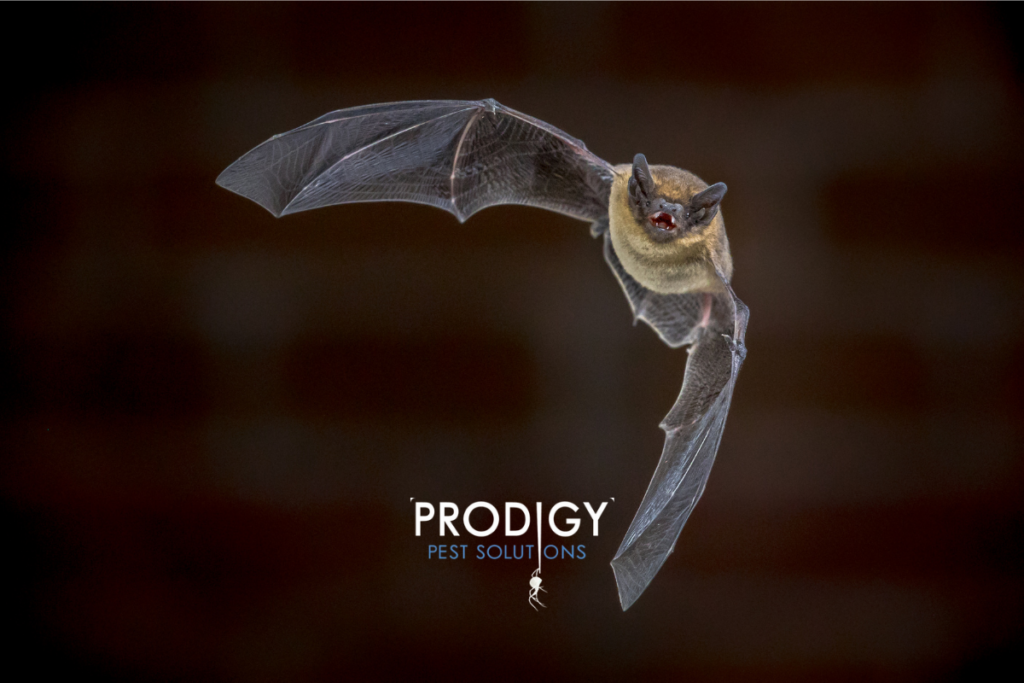
Bats have a scary reputation, but the truth is more nuanced. Out in your yard, bats are one of nature’s best allies — a single bat can devour thousands of mosquitoes and other insects every night. Roosting inside your home, though, they do pose genuine health risks that are worth understanding clearly. This guide separates the real dangers from the myths, so you know exactly when to be concerned and what to do about it.
Quick Answer: Are Bats Dangerous to Humans?
Bats are not aggressive and rarely pose a direct threat outdoors. The real risks come when they roost in your home: their guano can harbor a fungus that causes histoplasmosis (a respiratory illness), and while only a very small fraction of bats carry rabies, you should never handle one. The safest approach is to avoid all contact, keep away from guano, and have a colony removed by professional exclusion — the only legal method in Florida.
The Real Risks of Bats in Your Home
There are three categories of risk worth understanding: rabies, histoplasmosis from guano, and the secondary problems a colony creates over time. Let’s take each in turn — with accurate context, not scare tactics.
Rabies: Serious but Rare
Rabies is the risk people worry about most. Here’s the honest picture: only a very small portion of bats carry rabies — by some estimates perhaps one in a few hundred across Florida’s bat populations — and raccoons and foxes actually have a higher incidence than bats do. Bats are not out to bite people, and most never come into contact with humans at all.
That said, rabies is extremely serious and nearly always fatal once symptoms appear, so caution is non-negotiable. Never handle a bat with bare hands, whether it’s alive, injured, or dead — a frightened bat may bite to defend itself. Bat bites and scratches can be tiny and easy to miss, so if you wake to a bat in your room, find one near a child or a sleeping or impaired person, or have any possible contact, seek medical attention promptly. Pets should be kept up to date on rabies vaccinations.
Histoplasmosis: The Guano Risk
Histoplasmosis is an infection caused by Histoplasma, a fungus that can grow in soil enriched by bat (or bird) droppings. Inhaling the spores can cause a lung infection with symptoms like fever, cough, and fatigue — though most people who inhale the spores never get sick, and severity varies with exposure and individual health.
Importantly for Florida homeowners: cases of histoplasmosis from bat guano inside a building have historically been associated more with cave environments than homes. Still, the CDC recommends wearing a respirator anytime you’re in a confined space with bat guano. The practical takeaway is simple — don’t disturb, sweep, or vacuum dried guano yourself. Professional cleanup with proper protective equipment removes the risk.
Secondary Problems a Colony Creates
- Property damage and odor. Accumulated guano and urine soak into and ruin attic insulation, stain ceilings and walls, and create a persistent ammonia odor.
- Attracts other pests. Guano piles attract cockroaches, flies, and beetles, and bat parasites can occasionally make their way into living spaces.
- It only gets worse with time. The longer a colony stays, the larger it grows and the more contamination builds up — raising both the health risk and the eventual cleanup cost.
Concerned About Bats in Your Home?
Don’t risk your family’s health or break Florida law with DIY removal. Prodigy Pest Solutions handles bats safely, legally, and completely. Schedule your free inspection.
What’s NOT True About Bats
Plenty of bat fears are overblown. A few myths worth retiring:
| Myth | The Reality |
|---|---|
| “Bats are blind.” | Bats see perfectly well and also navigate by echolocation. They’re not flying at you — they’re hunting insects. |
| “All bats have rabies.” | Only a very small fraction do. Caution is still essential, but the vast majority of bats are not rabid. |
| “Bats want to attack people or get in your hair.” | Bats avoid people. A bat swooping nearby is almost always chasing insects, not you. |
| “The smell alone will make me sick.” | Strong bat odor is a quality-of-life and aesthetic problem, not a direct health hazard by itself. The guano is the real concern. |
How to Stay Safe Around Bats
- Never touch a bat. Not alive, injured, or dead — and teach children the same rule.
- Keep away from guano. Don’t sweep or vacuum droppings. Stay out of contaminated attic areas.
- Vaccinate your pets. Keep dogs and cats current on rabies shots, since they may encounter a grounded bat.
- Act on possible exposure. If you may have been bitten or scratched, or find a bat near someone who was asleep or unable to report a bite, seek medical care immediately.
- Don’t attempt DIY removal. It exposes you to the very risks above and is illegal if done improperly.
⚖️ Florida Law: In Florida, you cannot legally kill, poison, or trap bats, and exclusion is prohibited during maternity season (April 16–August 14). The only lawful removal method is humane exclusion during the open season. See our guides on Florida’s bat season and how exclusion works.
The Safe, Legal Way to Eliminate the Risk
If bats are roosting in your home, the way to eliminate the health risk is to remove the colony and clean up the contamination — safely and legally. That means professional exclusion: one-way devices let the bats leave, the entry points are sealed once the colony is gone, and the guano is removed with proper protective equipment. Doing it yourself risks rabies and histoplasmosis exposure, runs afoul of Florida law, and usually fails to keep the bats out.
Learn the full process in our guide to how to get rid of bats in Florida, and how to recognize a colony in our guide to signs of bats in the attic.
Frequently Asked Questions
| Question | Answer |
|---|---|
| Do bats carry rabies? | Some do, but only a very small fraction — by some estimates around one in a few hundred bats in Florida. Raccoons and foxes actually have higher rates. Because rabies is so serious, never handle a bat, and seek medical care after any possible exposure. |
| Is bat guano dangerous? | It can be. Bat droppings can harbor the fungus that causes histoplasmosis, a respiratory illness. Don’t disturb guano yourself; the CDC recommends a respirator in confined spaces with droppings. Professional cleanup removes the risk safely. |
| What is histoplasmosis? | A lung infection caused by inhaling spores of the Histoplasma fungus, which grows in soil enriched by bat or bird droppings. Symptoms can include fever, cough, and fatigue, though many people who inhale spores never get sick. |
| Are bats dangerous to dogs and cats? | Pets may try to catch a grounded bat, risking a bite and possible rabies exposure. Keep pets away from bats and current on rabies vaccinations, and contact your vet if contact occurs. |
| Should I be scared of a bat flying around outside? | No. Outdoor bats are hunting insects and provide valuable natural pest control. The concern is a colony roosting inside your home, where guano and the risk of handling become issues. |
| How do I get rid of the health risk from bats? | Have the colony professionally excluded and the guano cleaned up. In Florida this must be done by humane exclusion during the legal season (August 15–April 15), never by extermination. |
Protect Your Family — Remove Bats the Right Way
Prodigy Pest Solutions safely and legally removes bats and cleans up the mess they leave behind, across Southwest Florida. Get your free inspection scheduled today.
Bat Removal & Pest Control Across Florida
Prodigy Pest Solutions provides bat exclusion, inspections, and full-service pest control throughout our Florida service areas: