
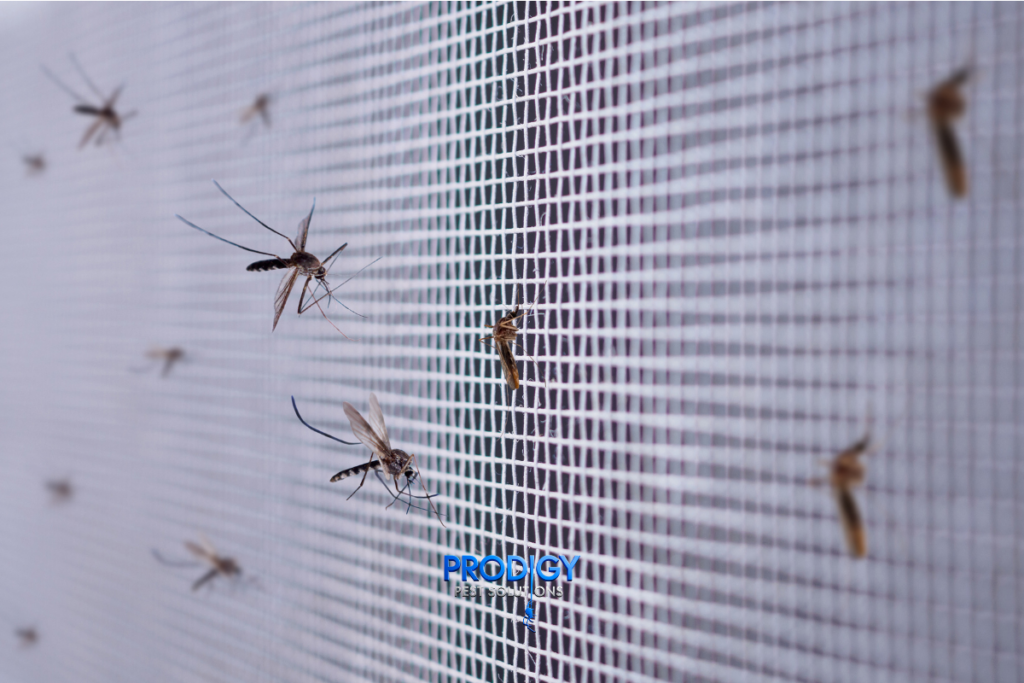
Dengue is no longer just a travel-health topic in Florida. Positive cases have been reported across the state this year, and Manatee County recently confirmed its first positive case. If you are searching for dengue fever in Florida, you probably want three things: what dengue is, how it spreads, and what you can do around your home to lower your family’s risk. This guide covers all three. It is general information, not medical advice, and for current case counts and health guidance you should always check the Florida Department of Health.
Quick Answer
Dengue fever is a viral illness spread to people by the bite of an infected Aedes mosquito, mainly Aedes aegypti and Aedes albopictus, both of which live in Florida. It does not spread directly from person to person. The best protection is to prevent mosquito bites and eliminate standing water around your home, where these mosquitoes breed. If you develop fever with severe headache, body aches, or rash, contact a healthcare provider.
What Is Dengue Fever?
Dengue is caused by a virus carried by certain mosquitoes. Many people infected have mild symptoms or none at all, but some develop a significant illness with high fever, intense headache, pain behind the eyes, muscle and joint pain, nausea, and rash. A small number of cases progress to severe dengue, which needs urgent medical care.
Dengue is common in tropical and subtropical regions worldwide. Most U.S. cases historically have been linked to travel, but Florida has also had locally acquired cases, meaning a person was infected by a mosquito here rather than abroad. Public health officials track both types.
Dengue in Florida and Manatee County: What We Know
Florida has recorded positive dengue cases this year, and Manatee County has now reported its first positive case. We are a pest control company, not a public health agency, so we do not interpret case data. What matters for homeowners is the practical takeaway: dengue-capable mosquitoes are established in Florida, and every reported case is a reminder to cut down mosquito habitat at home. For official case counts, whether cases are travel-related or locally acquired, and any local advisories, see the mosquito resources on our site and the Florida Department of Health in Manatee County.
Which Mosquitoes Spread Dengue?
| Mosquito | Appearance | Biting habits | Where it breeds |
|---|---|---|---|
| Aedes aegypti (yellow fever mosquito) | Dark with white lyre-shaped markings on the thorax and banded legs | Bites mostly during the day, often indoors, and prefers people | Small containers of standing water near homes |
| Aedes albopictus (Asian tiger mosquito) | Black with a white stripe down the back and banded legs | Aggressive daytime biter, often in shaded yards | Containers, tires, bromeliads, birdbaths |
| Culex (common house mosquito) | Plain brown | Mostly dusk and night; does not spread dengue | Dirty, stagnant water, storm drains |
Unlike many mosquitoes, Aedes species are active during the day, so the old advice to just avoid dusk and dawn is not enough. They also breed in very small amounts of water, such as a bottle cap or a plant saucer.
Dengue Symptoms: When to See a Doctor
Symptoms usually begin several days after a bite from an infected mosquito. Common symptoms include:
- High fever
- Severe headache and pain behind the eyes
- Muscle, bone, and joint pain
- Nausea and vomiting
- Skin rash
- Mild bleeding such as nosebleeds or gum bleeding
Seek medical care promptly for symptoms like fever with severe abdominal pain, persistent vomiting, bleeding, difficulty breathing, or extreme fatigue and restlessness. Healthcare providers can advise on treatment, and people who suspect dengue are generally advised to avoid aspirin and NSAIDs unless a doctor says otherwise. Always follow your provider’s instructions.
Someone who is sick with dengue should also avoid further mosquito bites, because mosquitoes that bite an infected person can pick up the virus and spread it to others.
How to Protect Your Family From Mosquito Bites
Use EPA-registered repellent
Choose a repellent registered with the EPA and follow the label. Reapply as directed, and apply sunscreen first if you are using both.
Wear protective clothing
Long sleeves, long pants, and socks reduce exposed skin during outdoor activity, even in the daytime.
Keep mosquitoes outside
Repair torn window and door screens, keep doors closed, and use air conditioning when possible.
Worried About Mosquitoes Around Your Home?
Our licensed technicians inspect your property for breeding sites and recommend a mosquito reduction plan. Schedule your free inspection today.
Eliminate Mosquito Breeding Sites: The Most Important Step
Aedes mosquitoes live close to where they hatch, so what you do in your own yard matters. Once a week, walk your property and look for anything that holds water:
| Common breeding spot | What to do |
|---|---|
| Flower pot saucers and plant trays | Empty weekly or remove the saucer |
| Birdbaths and pet water bowls | Scrub and refresh water at least weekly |
| Buckets, toys, and tarps | Turn over or store under cover |
| Old tires | Dispose of properly or cover |
| Clogged gutters and drains | Clear debris so water flows |
| Bromeliads and plant axils | Rinse out regularly or flush with a hose |
| Boat covers and pool covers | Remove pooled water |
| Unused pools or ornamental ponds | Keep maintained or stock appropriately |
After heavy rain, which is common in a Florida fall, repeat the check. Water that sits for about a week or more can produce a new generation of mosquitoes.
Professional Mosquito Control: What It Can and Cannot Do
Professional treatment can significantly reduce mosquito populations around your home, especially when paired with breeding-site removal. A technician can inspect your yard for hidden sources, treat resting areas such as shrubs and shaded vegetation, and address larval habitats. Treatments reduce mosquitoes; they do not guarantee that you will never be bitten, and they do not replace repellent, screens, or medical advice. See our guide on mosquito control in Florida and why effective mosquito control matters.
Bradenton and Manatee County homeowners can learn more about local service on our Bradenton mosquito control page.
Fall Mosquito Season in Florida
Florida’s mosquito season does not end when summer does. Warm, humid weather and fall rains keep breeding going well into the cooler months, and mosquitoes only slow down significantly during real cold snaps. For more seasonal tips, read our fall pest control guide.
Frequently Asked Questions
| Question | Answer |
|---|---|
| Can you catch dengue from another person? | Not through ordinary contact. Dengue spreads when a mosquito bites an infected person and then bites someone else. |
| Which mosquitoes spread dengue in Florida? | Aedes aegypti and Aedes albopictus. Both bite during the day and breed in small containers of water. |
| Is there dengue in Manatee County? | Manatee County has reported its first positive case. For current details and whether it was travel-related or locally acquired, check the Florida Department of Health in Manatee County. |
| How can I make my yard less attractive to mosquitoes? | Remove standing water weekly, clear gutters, trim dense vegetation, and consider professional mosquito control. |
| Do mosquito treatments prevent dengue? | Treatments reduce mosquito populations, which can lower bite risk, but they should be combined with repellent, screens, and breeding-site removal. They are not a medical protection. |
| What should I do if I think I have dengue? | Contact a healthcare provider, avoid mosquito bites while sick, and follow medical advice on medications and care. |
Reduce Mosquitoes Around Your Home
A free inspection can identify breeding sites and hiding spots you may have missed.
Stay Ahead of Florida Mosquito Season
Ask about a year-round mosquito and pest protection plan for your home.
Serving Homes Across Florida
Prodigy Pest Solutions provides residential pest and mosquito control in these communities:
This article is for general information only and is not medical advice. For health concerns, consult a healthcare provider, and for official case data visit the Florida Department of Health.