
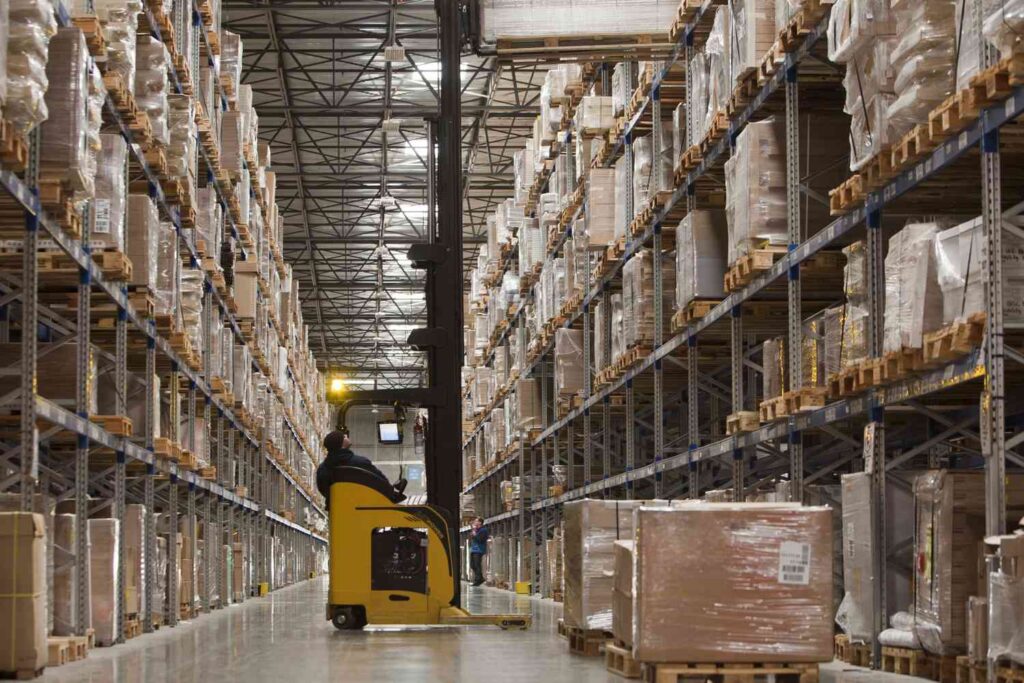
Not every commercial property is a restaurant kitchen — but warehouses, retail centers, and office parks each have their own pest vulnerabilities, and they’re often larger and harder to defend. Big footprints, constant deliveries, loading docks, stored inventory, and multiple tenants all create openings pests exploit. The right program protects your inventory, your tenants, and your brand with perimeter-first, discreet, documented service. Here’s what these facilities face and how to keep them protected.
Quick Answer: How Is Pest Control Different for Warehouses and Large Facilities?
Large commercial facilities need a perimeter-first, exclusion-heavy approach rather than interior spraying. That means defending the building’s edges and entry points — especially loading docks and overhead doors — controlling the exterior conditions (landscaping, trash, standing water) that draw pests, using monitoring devices to track pressure across a big footprint, and protecting stored inventory from rodents and stored-product pests. Service is discreet and documented, scheduled around operations, and scaled to the size and type of facility.
Pest Vulnerabilities by Facility Type
Each facility type has its own weak points and priorities:
| Facility Type | Primary Pest Vulnerabilities |
|---|---|
| Warehouses & distribution | Loading docks and overhead doors, rodents nesting in stored goods, stored-product pests in inventory, birds in high spaces |
| Retail centers & strip malls | Multiple tenants sharing walls, back-of-house and dumpster areas, food tenants raising risk for neighbors, storefront entry gaps |
| Office parks & buildings | Break rooms and kitchenettes, landscaping and mulch against the building, rodents and ants entering at ground level, exterior lighting drawing insects |
Why Perimeter Defense Comes First
In a large facility, you can’t spray your way to control — the footprint is too big and the interior is full of inventory, equipment, and people. The effective strategy is to keep pests from getting in at all. That means treating the building’s perimeter as the first line of defense: sealing and weatherstripping doors (especially loading docks, which are notorious rodent highways), screening vents, closing utility penetrations, managing exterior landscaping and trash, and placing exterior monitoring stations that intercept rodents before they reach the building. Interior monitoring then catches anything that slips through.
Protecting Inventory and Stored Product
For warehouses and any facility storing goods, pests aren’t just a nuisance — they’re a direct threat to inventory. Rodents nest in and contaminate stored products, gnaw packaging, and damage goods; stored-product beetles and moths infest food, grain, and paper products; and birds roosting in high bays foul inventory and equipment. A commercial program protects stock with rodent exclusion, monitoring around storage and receiving, inspection of incoming shipments (a common way infestations arrive), and stored-product pest controls — preventing the losses and write-offs an infestation causes.
Big Facility, Big Perimeter to Defend?
Prodigy Pest Solutions protects warehouses, retail centers, and office parks with perimeter-first, documented IPM programs scaled to your facility. Request a commercial pest assessment.
Discreet Service That Protects Your Brand
For retail and office properties, customers and tenants should never see pest control happening. Prodigy schedules service around your operations, uses discreet monitoring rather than visible traps in common areas and storefronts, and documents every visit. That discretion isn’t just professional courtesy — it’s part of protecting your brand and reputation, especially in retail centers where one tenant’s pest problem can spill over to the neighbors and the whole property’s image.
Built to Scale Across Large and Multi-Tenant Properties
Warehouses, retail centers, and office parks are frequently part of a larger portfolio, and they benefit from the same standardized, centrally-documented approach we build for multi-property managers. The underlying method is prevention-first Integrated Pest Management (IPM) — inspection, exclusion, monitoring, and targeted treatment — scaled to the size and complexity of the facility, with reporting you can hand to ownership, tenants, or auditors.
Frequently Asked Questions
| Question | Answer |
|---|---|
| How is warehouse pest control different from other commercial pest control? | Warehouses need a perimeter-first, exclusion-heavy approach because of their large footprint, constant deliveries, and stored inventory. The focus is on defending loading docks and entry points, controlling exterior conditions, monitoring across the facility, and protecting stored product from rodents and stored-product pests — not interior spraying. |
| What pests are most common in warehouses and distribution centers? | Rodents (nesting in stored goods and entering via loading docks), stored-product pests like beetles and moths that infest inventory, birds roosting in high spaces, and ants and cockroaches around break areas. Incoming shipments are a common way infestations arrive. |
| How do you keep pests out of a retail center? | Perimeter defense (sealing storefronts, back-of-house, and dumpster areas), coordinated service across tenants — especially food tenants that raise risk for neighbors — and discreet monitoring. Because tenants share walls, a property-wide program is far more effective than tenants going it alone. |
| Is pest control disruptive to an office or retail business? | It shouldn’t be. Service is scheduled around operations, uses discreet monitoring instead of visible traps in customer and tenant areas, and is documented — so it protects the property without being seen by customers or staff. |
| Can one provider handle a large multi-tenant property or portfolio? | Yes. A commercial provider builds a standardized, centrally-documented IPM program that scales across large facilities and multi-tenant or multi-site portfolios, with consistent service and reporting you can share with ownership, tenants, and auditors. |
Protect Your Facility From the Perimeter In
Prodigy Pest Solutions provides perimeter-first, documented commercial pest control for warehouses, retail, and office properties across Florida. Reach out for a commercial pest assessment.
Commercial Pest Control Across Florida
Prodigy Pest Solutions builds documented, IPM-based commercial pest programs for property managers, facility directors, and business owners statewide — with a focus on our core markets of Sarasota, Boca Raton, Port St. Lucie, and St. Augustine. Learn more on our commercial pest control page, or reach out for a property assessment.