
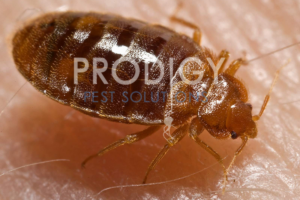
You wake up with itchy red bites. You spot a tiny brown bug crawling across your mattress. Your mind goes straight to bed bugs — and the panic sets in. But before you throw out your furniture or call an exterminator for a problem you might not have, it’s worth knowing that several common bugs look almost identical to bed bugs, especially to the untrained eye.
This guide covers the 8 bugs most commonly mistaken for bed bugs in Florida homes, how to tell each one apart, and what to do if you’re still not sure what you’re dealing with.
|
Quick answer: The most common bugs mistaken for bed bugs are: bat bugs, spider beetles, booklice, fleas, carpet beetle larvae, cockroach nymphs, tick nymphs, and swallow bugs. True bed bugs are flat, oval, reddish-brown, and about the size of an apple seed — they hide in mattress seams and box springs, not in bookshelves or pet bedding. |
What Does a Real Bed Bug Look Like?
Before you can identify an impostor, you need to know what you’re comparing against. Adult bed bugs are:
- Size: 4–5 mm — roughly the size of an apple seed
- Shape: Oval and flat when unfed; swollen and elongated after a blood meal
- Color: Reddish-brown (darker after feeding)
- Legs: Six legs, no wings
- Antennae: Short, four-segmented
- Eggs: White, 1 mm, found in clusters in cracks and crevices near sleeping areas
Bed bugs are nocturnal and move quickly. They hide in mattress seams, box spring corners, headboards, and behind baseboards — almost always within 8 feet of where a person sleeps. If you’re finding bugs in bookshelves, under sinks, in food pantries, or on pets, it’s likely not bed bugs.
|
Not sure what’s biting? Get a professional inspection. Schedule an inspection → |
8 Bugs Commonly Mistaken for Bed Bugs
1. Bat Bugs
Bat bugs are the most convincing bed bug lookalikes — they’re so similar that even pest control professionals need a magnifying glass to tell them apart. The only reliable visual difference is the length of the fringe hairs on the prothorax (the section behind the head): bat bugs have longer hairs than bed bugs.
Bat bugs feed on bats, but when a bat colony is removed from an attic or wall void, the bugs migrate downward in search of a new host — and they’ll bite humans as a substitute. In Florida, this is more common than most homeowners realize. If you’re finding bites in a home that has or recently had a bat problem, bat bugs are the likely culprit.
- Where you’ll find them: Near attic entries, around ceiling fixtures, in rooms above bat roosts
- Do they bite humans? Yes, if bats are unavailable
- How to confirm: A magnifying glass inspection by a pest control pro
2. Spider Beetles
Spider beetles are small (1–4 mm), round, and reddish-brown — a description that could easily fit a bed bug. But look closer and you’ll notice they have long, thin legs like a spider and a rounded, globe-shaped body (versus the flat oval of a bed bug). They’re also much faster than bed bugs when disturbed.
Spider beetles are pantry pests, not blood feeders. They infest stored grains, flour, dried herbs, and pet food. If the bugs you’re seeing are coming from the kitchen or a stored-goods cabinet, not your bedroom, you’re almost certainly dealing with spider beetles.
- Where you’ll find them: Pantries, kitchen cabinets, areas with stored dry goods
- Do they bite humans? No
- Tell-tale sign: Globe-shaped body, long legs, found near food storage
3. Booklice (Psocids)
Booklice are tiny (0.5–2 mm), pale to translucent brown, and almost always found in damp, humid conditions — exactly the type of environment that’s common in Florida homes, especially during summer. They don’t bite humans and pose no health risk, but their presence often signals a moisture or mold problem.
Unlike bed bugs, booklice have softer bodies, longer antennae, and are typically found on walls, books, old paper, window sills, and behind wallpaper — not in bedding. They feed on mold, mildew, and organic matter, not blood.
- Where you’ll find them: On walls, in damp closets, on old books, behind wallpaper
- Do they bite humans? No
- Tell-tale sign: Very soft body, pale color, found in humid areas not near the bed
4. Fleas
Fleas are one of the most common bugs people mistake for bed bugs because they’re small, reddish-brown, and their bites look similar. However, fleas are laterally compressed (extremely flat from side to side) and are powerful jumpers — bed bugs cannot jump at all. If the bug you’re seeing leaps when disturbed, it’s a flea, not a bed bug.
In Florida’s warm climate, fleas are a year-round problem. They’re almost always tied to pets and tend to bite around the ankles and lower legs, while bed bugs typically bite the upper body during sleep. Flea infestations require treating both your pet and your home simultaneously.
- Where you’ll find them: On pets, in carpet, pet bedding, yard areas shaded by shrubs
- Do they bite humans? Yes, frequently
- Tell-tale sign: Visible jumping, bites concentrated on ankles and legs
5. Carpet Beetle Larvae
Adult carpet beetles don’t look much like bed bugs, but their larvae can cause confusion — they’re small (2–5 mm), brownish, and often found in bedrooms. What makes them especially misleading is that their hairs can cause skin irritation that resembles insect bites, leading homeowners to assume they have bed bugs.
Carpet beetle larvae are covered in bristly hairs, have a carrot-like tapered shape, and are slow-moving. They feed on natural fibers (wool, silk, leather, feathers), dried foods, and dead insects. Check the underside of rugs, inside closets, and along baseboards.
- Where you’ll find them: Under rugs, in closets, near wool clothing or taxidermy
- Do they bite humans? No, but larvae hairs cause skin irritation
- Tell-tale sign: Hairy, tapered body — no bite marks, just a rash-like reaction
6. Cockroach Nymphs
Baby cockroaches (nymphs) — especially German cockroach nymphs — can look surprisingly similar to bed bugs in the earliest instar stages. They’re small, oval-shaped, and brownish. However, cockroach nymphs are longer and more cylindrical than bed bugs, have longer antennae, and move much faster.
In Florida, German cockroaches are extremely common in kitchens and bathrooms. If you’re finding the bugs anywhere other than your sleeping area, and especially if you find them near food or water sources, cockroach nymphs are far more likely than bed bugs.
- Where you’ll find them: Kitchen cabinets, under appliances, in bathrooms
- Do they bite humans? Rarely, but can contaminate food and surfaces
- Tell-tale sign: Much faster movement, longer antennae, found in kitchen/bath not bedroom
7. Tick Nymphs
Nymphal ticks (young ticks before they’ve fed) are flat, oval, brownish, and very small — often 1–2 mm, similar to a bed bug egg or very young nymph. Unlike bed bugs, ticks have eight legs (as arachnids) and a distinctive scutum (hard shield) on their back. They don’t infest homes in the same way bed bugs do, but they can be carried inside on pets or clothing.
In Florida, ticks are common in wooded and grassy areas. If you’re finding bites after spending time outdoors or after your pet has been in the yard, check for ticks rather than bed bugs.
- Where you’ll find them: On pets, on humans after outdoor exposure, in laundry from outdoor activities
- Do they bite humans? Yes, and can transmit disease
- Tell-tale sign: Eight legs, hard scutum plate, not typically found in mattress
8. Swallow Bugs
Swallow bugs are closely related to bed bugs and bat bugs and are nearly indistinguishable without magnification. They parasitize cliff swallows and barn swallows — birds that often nest under the eaves of homes and in carports. When swallows migrate or a nest is removed, the bugs seek alternate hosts and can end up biting humans.
The key distinguishing feature is habitat: swallow bugs are found near bird nests, not in sleeping areas. If you find unexplained bites in spring or summer and notice bird nests near your roofline or windows, swallow bugs are the more likely explanation.
- Where you’ll find them: Near bird nests under eaves, in attic spaces, around vents
- Do they bite humans? Yes, as an alternative host
- Tell-tale sign: Seasonal appearance (spring/summer), associated with swallow nests
Quick Comparison: Bed Bugs vs. Common Lookalikes
|
Bat Bug |
Looks like bed bugs because: nearly identical size, shape, and color Key difference: longer hairs on the prothorax (requires magnification) Threat level: Bites humans — needs professional ID |
|
Spider Beetle |
Looks like bed bugs because: similar size and reddish-brown color Key difference: globe-shaped body, long thin legs, found in pantry Threat level: No bites — pantry pest only |
|
Booklice |
Looks like bed bugs because: small, brownish, found indoors Key difference: much smaller, soft body, pale color, no biting. Threat level: No bites — moisture indicator |
|
Flea |
Looks like bed bugs because: small, reddish-brown, bites humans Key difference: can jump, laterally flat, bites ankles not upper body Threat level: Bites frequently — treat pet + home |
|
Carpet Beetle Larva |
Looks like bed bugs because: brown, found in bedroom Key difference: hairy, tapered body — causes skin irritation not bites Threat level: No bites — larval hairs cause rash |
|
Cockroach Nymph. |
Looks like bed bugs because: small, oval, brownish Key difference: longer antennae, faster, found in kitchen/bath Threat level: Rarely bites — mainly contamination |
|
Tick Nymph. |
Looks like bed bugs because: flat, oval, small Key difference: 8 legs, hard scutum, not found in mattress Threat level: Bites and can transmit disease |
|
Swallow Bug |
Looks like bed bugs because: nearly identical to bed bug Key difference: found near bird nests, not mattresses; seasonal Threat level: Bites humans — seasonal |
|
Think you might have bed bugs? Don’t guess. Get a professional inspection → |
How to Confirm You Actually Have Bed Bugs
The most reliable way to confirm a bed bug infestation is a professional inspection, but there are several signs you can check yourself before you call:
- Rusty or reddish stains on mattress seams or sheets from crushed bed bugs
- Dark ink-dot spots (bed bug excrement) along mattress seams, headboard edges, or behind the headboard
- Pale yellow shed skins (nymphs shed their skin 5 times before adulthood)
- Live bugs in the folds of your mattress, in box spring corners, or behind the headboard
- A sweet, musty odor (described as coriander) in heavily infested rooms
True bed bug bites appear in lines or clusters — often called the “breakfast, lunch, and dinner” pattern — on exposed skin. However, bite reactions vary enormously between individuals: some people show no reaction at all. Don’t rely on bites alone to confirm bed bugs.
What to Do If You’re Not Sure
If you’ve done a visual inspection and still aren’t certain what you’re dealing with, the safest move is a professional identification. Misidentification is one of the most common reasons bed bug treatments fail — people treat for bed bugs when they actually have fleas, or they dismiss a real infestation because they thought they just had spider beetles.
Prodigy Pest Solutions offers thorough pest inspections across Florida. Our technicians can correctly identify your pest, rule out false alarms, and recommend the right treatment — so you’re not wasting money on the wrong solution.
Prodigy Pest Solutions serves: Sarasota · Bradenton · Venice · Parrish · Lakewood Ranch · Boca Raton · Tampa
|
Ready for a professional ID? Schedule your inspection today → |
Frequently Asked Questions
|
Question |
Answer |
|
What bugs look exactly like bed bugs? |
Bat bugs and swallow bugs are the closest lookalikes — they require magnification to distinguish from bed bugs. Spider beetles, fleas, booklice, cockroach nymphs, carpet beetle larvae, and tick nymphs can also be mistaken for bed bugs at a glance. |
|
How can I tell if it’s a bed bug or a flea? |
Fleas jump and are laterally flat (squeezed side-to-side). Bed bugs cannot jump and are dorso-ventrally flat (squeezed top-to-bottom, like a lentil). Flea bites concentrate around ankles; bed bug bites are usually on upper body exposed during sleep. |
|
Can bat bugs infest your home like bed bugs? |
Bat bugs can infest a home if the bat colony they feed on is removed. They migrate through walls looking for a new host. Once bats are gone and the bugs lose their food source, they typically die off — but a professional treatment may be needed if they’ve spread widely. |
|
Are carpet beetles as bad as bed bugs? |
Carpet beetle adults and larvae don’t bite, but their bristly hairs can cause allergic skin reactions resembling bites. They damage natural fiber textiles (wool, silk, leather). They’re much easier to treat than bed bugs but do require finding and eliminating the food source. |
|
Do all bed bug lookalikes bite humans? |
No. Spider beetles and booklice do not bite humans. Bat bugs, swallow bugs, fleas, and tick nymphs do bite humans. Cockroach nymphs rarely bite. Carpet beetle larvae don’t bite but cause skin irritation. Correct identification matters before treating. |
|
How do I get rid of bugs that look like bed bugs in Florida? |
Treatment depends entirely on the species. Fleas require pet treatment plus a home spray. Bat bugs require bat exclusion first. Carpet beetles need vacuuming and removing infested items. Booklice need moisture control. A professional inspection ensures you treat the right pest the right way. |